
Insect exterminator in Quebec Ants, bed bugs, cockroaches, and wasps
Our exterminators identify, treat, and prevent every insect species that may invade your home, business, or industrial facility — with treatments targeted to each species.
Three divisions serving you across Quebec
Identify the nearest Pestora division for fast intervention against your insect infestation.
Pestora Greater Montreal
300-204, rue du Saint-SacrementMontréal, QC H2Y 1W8 (514) 546-2050 View division
Pestora Laurentians / North Shore
2175, boulevard de la TraverséeSaint-Jérôme, QC J7Y 0T2 (450) 516-8858 View division
Pestora Gatineau / Outaouais
555, boulevard Saint-JosephGatineau, QC J8Y 4A1 Number coming soon View division
Not sure which division? — Call us at (514) 546-2050
The four major families of pest insects
Each insect family has its own behaviour, preferred zones, and treatment methods. Identifying which family your infestation belongs to is the first step toward effective, lasting extermination.
Crawling insects
Ants, cockroaches, earwigs, pill bugs, and silverfish. They move along the ground and exploit cracks, damp areas, and accessible food sources.
Biting and sucking insects
Bed bugs, fleas, ticks, and mosquitoes. They feed on the blood of their hosts and pose health risks to occupants.
Flying insects
Wasps, hornets, bees, flies, and Asian ladybugs. They often nest high up or outdoors and require a specific intervention approach.
Destructive and wood-boring insects
Carpenter ants, carpet beetles, dermestids, and pantry moths. They cause structural damage to wood, textiles, or stored goods.
The most treated insects in Quebec
Twelve species account for the majority of calls received by our exterminators. Each species has its own treatment protocol, seasonality, and infestation signs. Click a species to discover our detailed treatment methods.
Carpenter ants
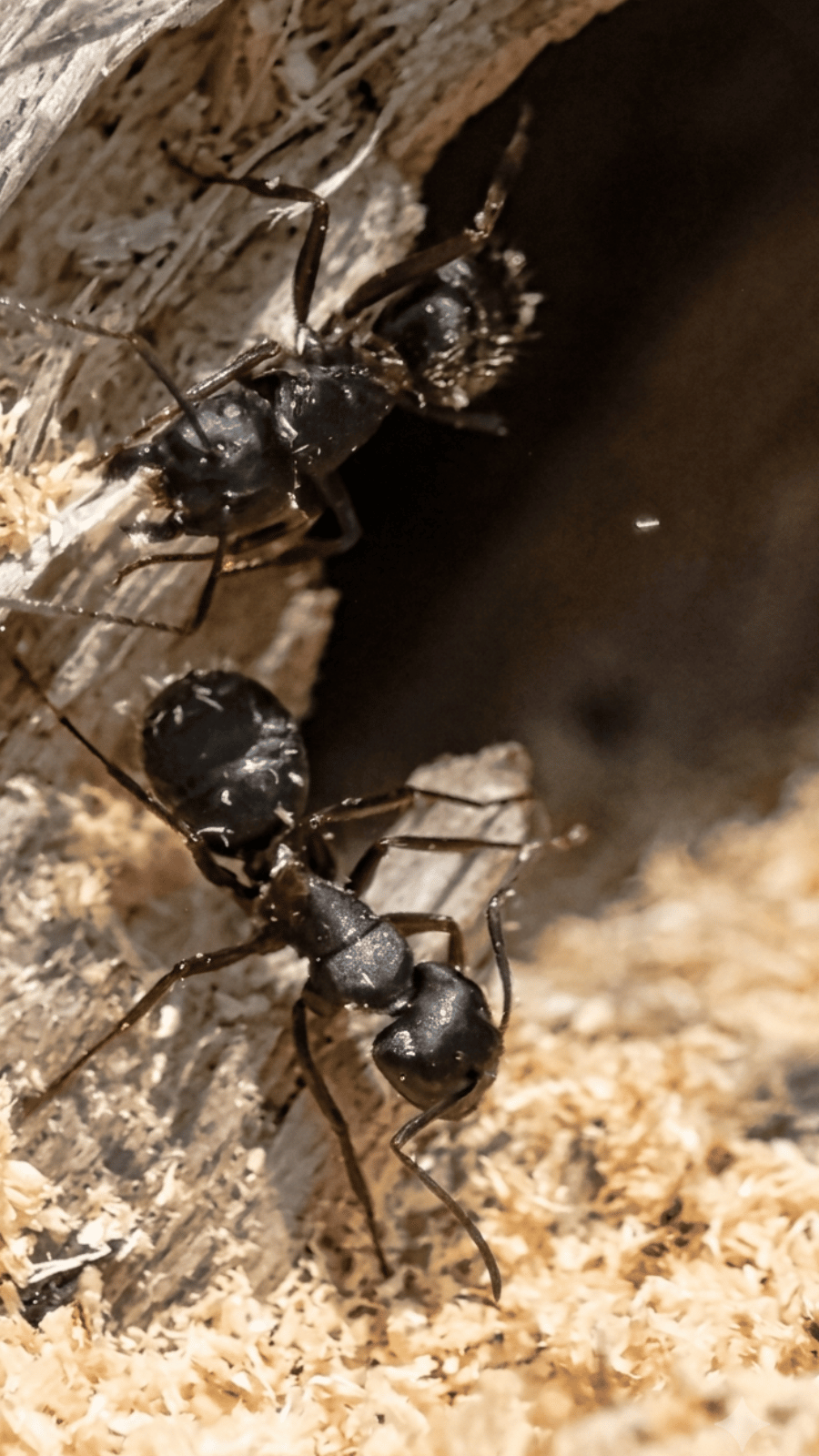
The most damaging in Quebec. They excavate the framing, insulation, and damp wood. Signs: sawdust, wings in spring, sounds in the walls.
Carpenter ant exterminationBed bugs
Nocturnal insects that hide in mattresses, box springs, and furniture. Signs: lined-up bites upon waking, dark spots on bedding, itching.
Bed bug exterminationCockroaches and German cockroaches
Nocturnal insects that thrive in kitchens and damp areas. Signs: droppings, molts, characteristic odour. High health risk for food businesses.
Cockroach exterminationWasps
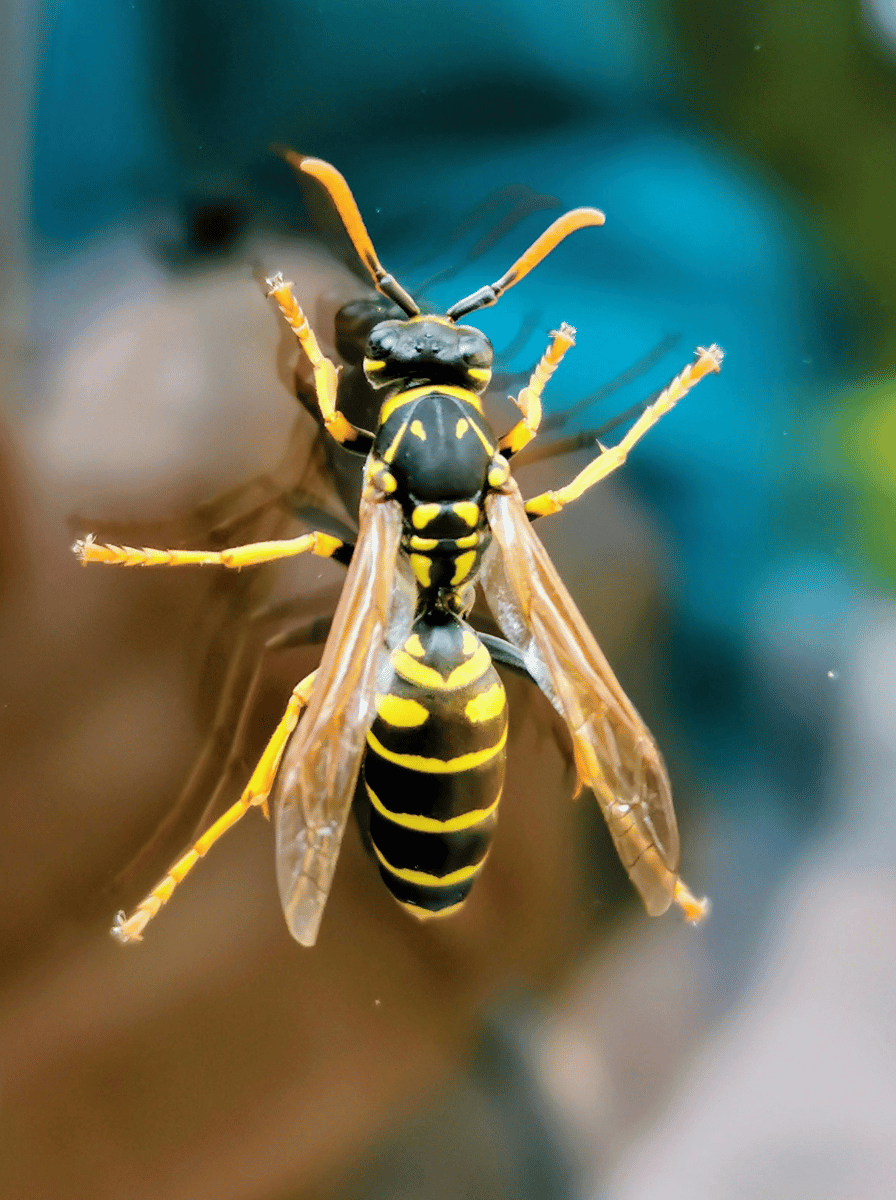
Nests in eaves, trees, and outdoor basements. Peak activity July to October. Risk of allergic stings for occupants and pets.
Wasp exterminationPavement ants
Small brown ants that nest under slabs, patios, and edging. Highly visible in trails along walls and sidewalks in spring and summer.
Pavement ant controlSpiders
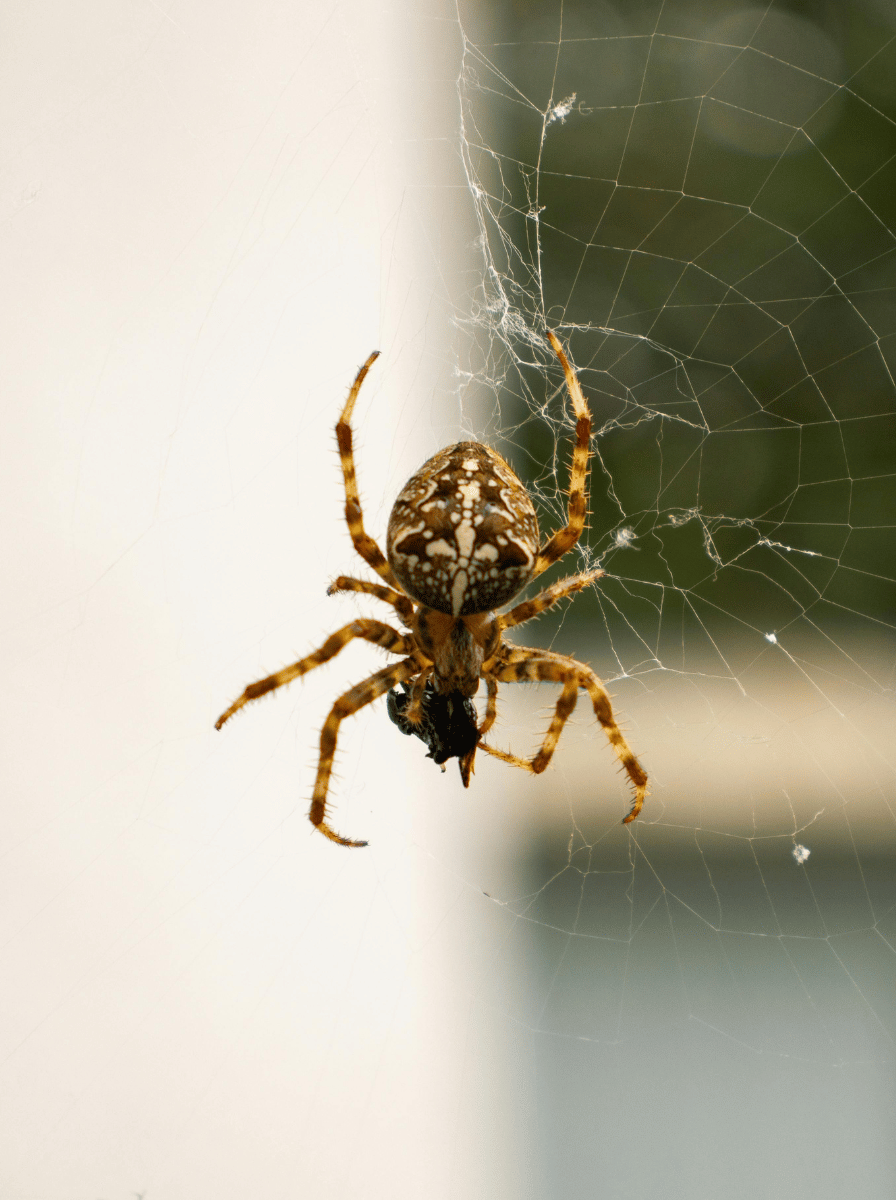
Several common species in Quebec, mostly harmless. Increased presence in fall when seeking shelter. Webs in corners, basements, and garages.
Spider exterminationHornets
Larger than wasps, with bulky nests hanging from trees or in attics. Very painful stings. Intervention by a certified professional recommended.
Hornet controlEarwigs
Nocturnal insects with rear pincers. Hide in damp areas, basements, under pots, and outdoor plant debris. Particularly active in summer.
Earwig controlPantry moths and Indian meal moths
Small moths that contaminate dry goods: flour, cereals, dried fruit, pet food. Silky webs in containers and kitchen cabinets.
Pantry moth controlHouse flies, drain flies, and fruit flies
Different species depending on the source: organic decomposition, drains, ripe fruit. Health risk in food settings and high household nuisance.
Fly controlTicks
Rising presence in Quebec, mainly in wooded and grassy areas. Potential vectors of Lyme disease. Inspection and perimeter treatment recommended.
Tick controlCarpet beetles and dermestids
Small beetles that devour textiles, furs, carpets, and dry goods. Often present for a while before detection. Specialized treatment required.
Carpet beetle and dermestid controlThe Pestora method applied to insects
Four structured steps tailored to each insect species, from precise identification through to lasting prevention of any return.
01/ Precise identification
Identification of the species, developmental stage, and colony size. Each species has a different treatment protocol: confusing a pavement ant with a carpenter ant leads to guaranteed failure.
02/ Inspection and locating
Locating of nests, entry points, favorable damp areas, and food sources. Mapping of activity zones to focus the intervention.
03/ Targeted treatment
Application of Health Canada-approved products based on the identified species. Baits for social colonies, residual treatments for crawling insects, thermal treatments for bed bugs.
04/ Prevention and sealing
Sealing of entry points, advice on managing humidity and food sources, preventive exterior treatment, and documented follow-up.
Insects aren’t just an inconvenience. Some species compromise your property’s structure: carpenter ants can weaken a frame over a few seasons, carpet beetles devour textiles and insulation. Others pose a direct health risk: cockroaches spread allergens, bed bugs cause insomnia and anxiety, ticks can transmit Lyme disease. In commercial and industrial settings, a visible infestation can mean losing a MAPAQ, HACCP, or GFSI certification and damaging your reputation. The earlier you intervene, the lower the cost and the more lasting the result.
Beyond insects
Pestora treats every type of pest, not only insects. Discover our services for the other categories.
Rodents
Mice, rats, and voles. Inspection, elimination, and sealing of entry points to prevent any new invasion.
View all rodentsWildlife
Raccoons, skunks, squirrels, groundhogs, and bats. Safe methods compliant with Quebec's regulations.
View wildlife removalIntegrated pest management (IPM)
Annual preventive program combining regular inspection, continuous monitoring, and documentation for regulated sectors.
Discover integrated pest managementFrequently asked questions about insect control
How do I know if I have an insect infestation?
Signs vary by species: sawdust (carpenter ants), aligned bites upon waking (bed bugs), droppings in cabinets (cockroaches), webs in dry goods (pantry moths), nests visible outside (wasps, hornets). If in doubt, our certified technicians perform a complete inspection to precisely identify the species and infestation scale.
What are the most common insects in Quebec?
In Quebec, the most common species are carpenter ants, pavement ants, bed bugs, cockroaches and German cockroaches, wasps and hornets (in season), spiders, earwigs, pantry moths, and flies. Quebec’s climate filters certain species: termites are rare, but damp-wood insects and northern species dominate.
Are your treatments safe for children and pets?
Yes. All products used by our exterminators are Health Canada-approved and applied under strict protocols. Every insect treatment is adapted to the presence of children, pets, and sensitive individuals. You’ll receive clear instructions on when it’s safe to re-enter treated rooms.
How long does an insect extermination treatment take?
Duration depends on the species and infestation scale. An intervention against ants or earwigs typically lasts 1 to 2 hours. A complete treatment against bed bugs or cockroaches may require several visits spaced over time. The free quote always specifies the expected duration.
How do I prevent an insect infestation?
Several measures significantly reduce risk: sealing cracks and entry points, managing moisture sources (basement, bathroom, kitchen), keeping food in airtight containers, removing plant debris near the foundation, and regularly inspecting at-risk areas. For regulated sectors, our integrated pest management program is the recommended option.
Can insects cause damage to my home?
Some species, yes. Carpenter ants can weaken a wood frame over several seasons. Carpet beetles and dermestids devour textiles, carpets, and furs. Earwigs and silverfish damage books, wallpaper, and organic materials. Fast identification and early treatment preserve your property’s integrity.
Can you treat an insect infestation without pesticides?
Depending on species and scale, several alternative methods exist: thermal treatments for bed bugs, mechanical traps for monitoring, physical exclusion and sealing for seasonal insects. Our exterminators apply IPM principles (integrated pest management), minimizing pesticide use whenever possible.
How much does insect control cost?
The rate depends on the species, infestation scale, area to treat, and property type. An intervention against ants or wasps has a different cost than a full bed bug treatment. We always provide a free quote with a fixed price before any intervention.
An insect infestation to treat ?
Precise identification, targeted treatment, and a written warranty. Free, no-obligation quote.