
Cockroaches in Quebec: identification, risks and extermination
Cockroaches, also called roaches, are among the most invasive insects in Quebec. These roaches reproduce at breakneck speed, hide during the day and come out at night to feed, and contaminate food and surfaces alike. Left untreated, a single sighting of cockroaches quickly becomes an infestation that spreads to neighbouring rooms and, in an apartment building, moves from one unit to the next. At the very first signs, cockroach extermination by a certified exterminator is the only way to eliminate the colony at its source.
Divisions to serve you across Quebec
Find your Pestora division and contact the team closest to you for a fast response.
Pestora Grand Montréal
300-204, rue du Saint-SacrementMontréal, QC H2Y 1W8 (514) 546-2050 View this division
Pestora West Island
3551, boulevard Saint-CharlesKirkland, QC H9H 3C4 (514) 546-2050 View this division
Pestora Lanaudière
2800, boulevard des EntreprisesTerrebonne, QC J6X 4S8 (514) 546-2050 View this division
Pestora Laurentians / North Shore
2175, boulevard de la TraverséeSaint-Jérôme, QC J7Y 0T2 (450) 516-8858 View this division
Pestora Gatineau / Outaouais
555, boulevard Saint-JosephGatineau, QC J8Y 4A1 (819) 991-4447 View this division
Pestora Trois-Rivières / Mauricie
1285, rue Notre-Dame Centre, bureau 1Trois-Rivières, QC G9A 0A0 (819) 991-4447 View this division
Not sure which division you need? Call us at (514) 546-2050
How to identify a cockroach
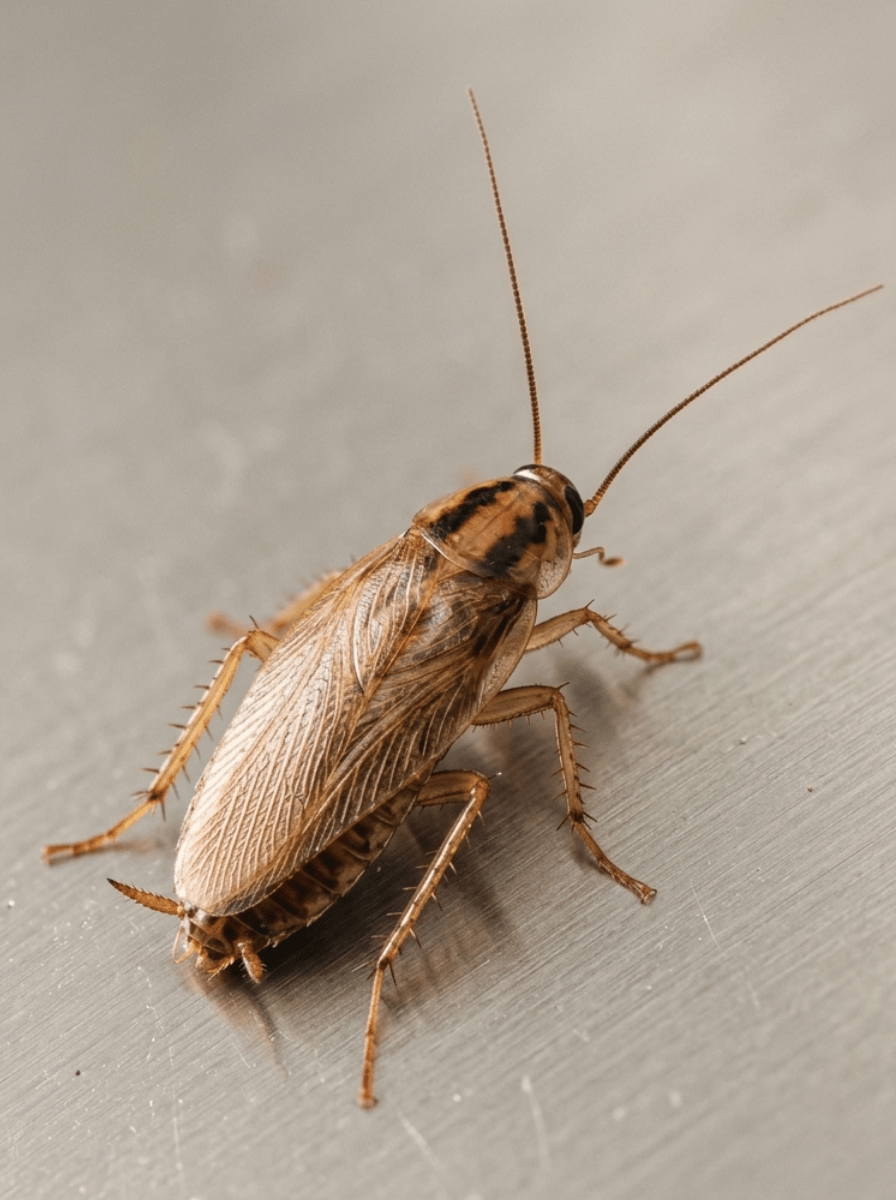
The German cockroach (Blattella germanica) is by far the most common roach in Quebec. Here is how to recognize a cockroach and tell it apart from other roaches.
Size
The German cockroach, the most common roach in Quebec homes, measures 12 to 16 mm as an adult. Young cockroaches, or nymphs, are smaller and wingless.
Colour
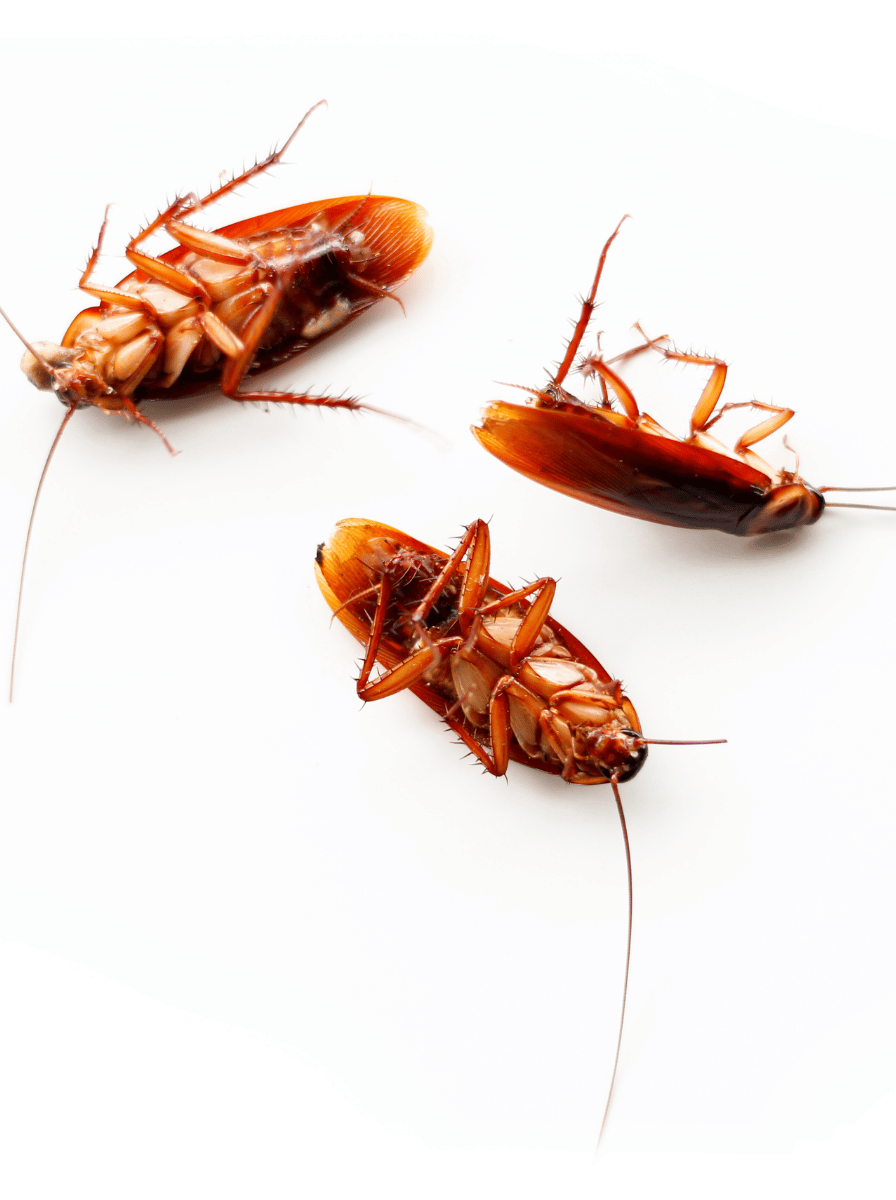
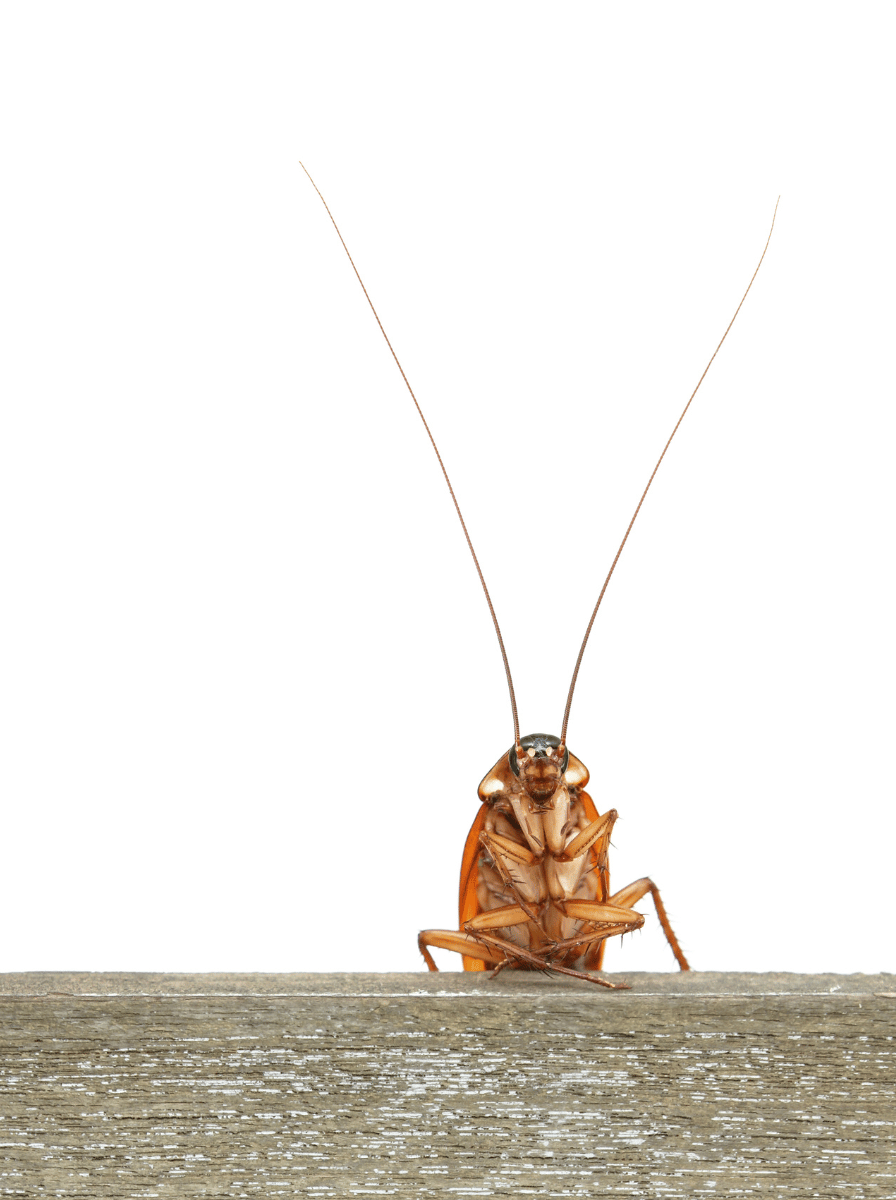
The German cockroach is caramel to light brown, with two parallel dark stripes behind the head, on the pronotum. The Oriental roach is darker, and the American roach is more reddish.
Physical appearance
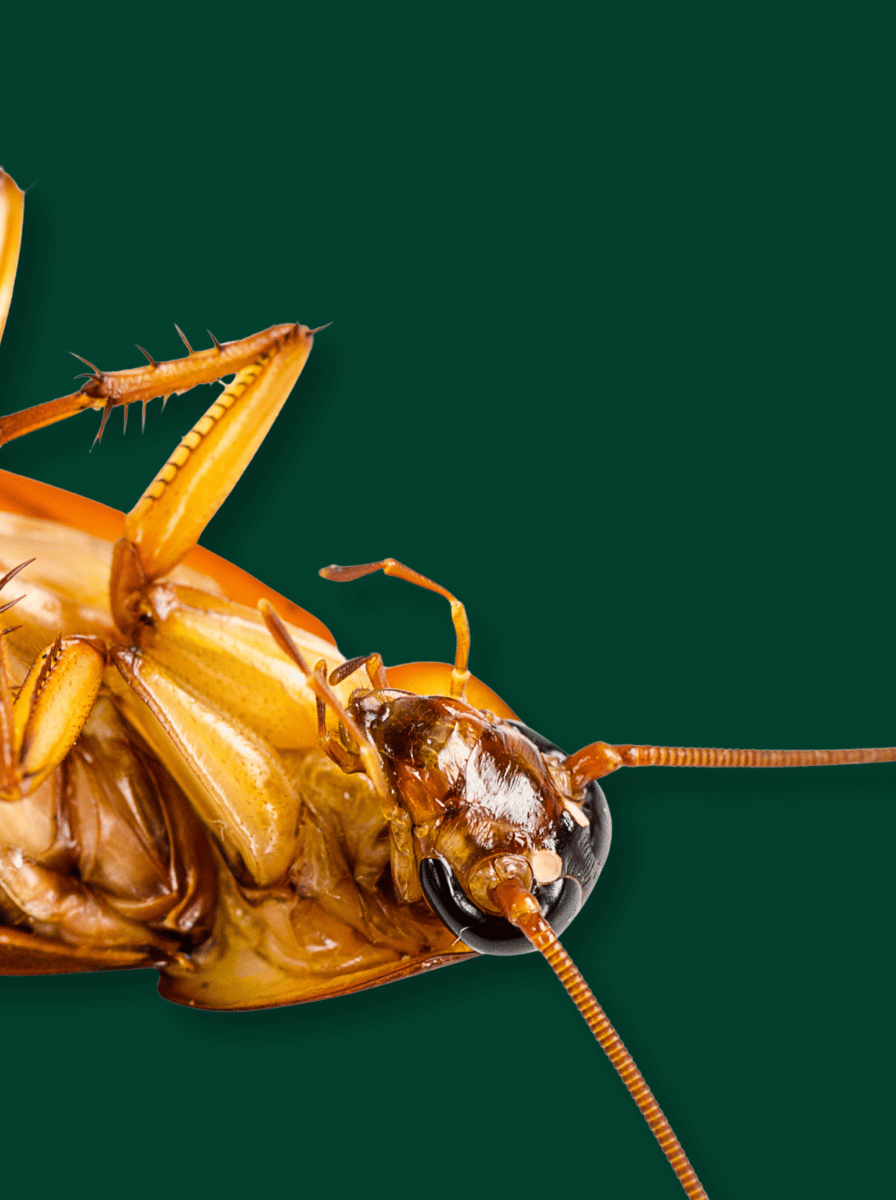
An oval, flattened body, long antennae and six legs. The cockroach has wings but rarely flies; its flat body lets it slip into and hide in the smallest kitchen cracks.
Behaviour
The cockroach is strictly nocturnal: it hides during the day and comes out at night to feed. Spotting a cockroach in broad daylight already points to a well-established infestation.
The signs of a cockroach infestation
Cockroaches are active at night; by the time these roaches become visible, the colony often already numbers in the hundreds. Here are the signs of a cockroach infestation to watch for on your property.
Live or dead cockroaches
Live or dead cockroaches in the kitchen, behind appliances, under the sink or in cupboards. Seeing them during the day points to a heavy infestation, since these roaches are active at night.
Pepper-grain droppings
Small black specks resembling fine pepper, left by cockroaches on countertops, in drawers and along baseboards.
Egg cases and moults
Brownish egg capsules, called oothecae, and shed cockroach skins left near hiding spots: these are signs of active breeding. Each ootheca holds 30 to 40 eggs.
Unpleasant odour
A strong, lingering odour in areas contaminated by cockroaches often accompanies an advanced roach infestation.
discreet service
Where cockroaches hide: damp harbourages and entry routes
Cockroaches seek out warmth, moisture and food. To eliminate the roach colony, you have to treat their damp harbourages and cut off their entry routes.
Indoors
Damp harbourages
Where they hide, feed and breed.
- The kitchen: behind the fridge, oven and dishwasher, in cupboards and drawers, wherever cockroaches find food and warmth.
- The bathroom: under sinks, near drains and damp pipes.
- Around sinks and water points, anywhere moisture builds up.
- Basements and any warm, dark, damp spaces.
Movement
Entry routes
How they get in and move around.
- Cracks in walls, floors and baseboards.
- Openings around pipes, plumbing and electrical wiring.
- Sewers, drains and utility conduits.
- Parcels, boxes and food packaging that carry cockroaches into the home.
Contrary to a common belief, cleanliness does not keep cockroaches away: these roaches come in through pipes, cracks or a simple package and settle into any building. Once present, cockroaches contaminate food and surfaces, carry bacteria and viruses that can cause gastroenteritis, and spread allergens responsible for allergic reactions and asthma attacks. The mere presence of cockroaches often causes stress and anxiety. In commercial settings, especially restaurants and kitchens, a cockroach infestation directly threatens the hygiene, compliance and reputation of the business. The earlier cockroach extermination happens, the simpler, faster and more lasting it is.
The Pestora method for eliminating cockroaches
Four structured steps to eliminate the entire cockroach colony and prevent any return. Simple surface treatment does not work with cockroaches.
01/ Inspection and identification
We locate cockroach hiding spots, oothecae and active trails, then precisely identify the roach species (German, Oriental or American). Successful elimination starts with pinpointing the colony accurately.
02/ Targeted gel treatment
We apply professional gels and baits approved by Health Canada against cockroaches, complemented by growth regulators that stop eggs from maturing. Cockroaches carry the bait back to the heart of the colony.
03/ Sealing entry points
We seal cracks, baseboards and openings around plumbing to cut off cockroach travel routes and block reinfestation from adjoining rooms or units.
04/ Follow-up and guarantee
Follow-up visits are spaced according to the scale of the infestation, since a single treatment does not always reach newly hatched cockroach nymphs. We provide prevention advice and a written guarantee on the extermination.
How to prevent a cockroach infestation
Cockroaches settle wherever they find food, water and shelter. Four measures sharply reduce the risk of a cockroach infestation.
Keep the kitchen clean
Wipe up crumbs and grease, wash dishes without letting them soak, and empty the bins regularly: this removes the food that draws cockroaches out at night.
Store food in airtight containers
Keep dry foods in sealed containers and limit the food sources available to cockroaches, especially on countertops and in cupboards.
Manage moisture
Fix leaks, dry out water points and ventilate the kitchen and bathroom: without moisture, cockroaches struggle to survive.
Seal entry points
Caulk cracks, baseboards and pipe openings to block cockroach access from outside, from sewers or from neighbouring units.
Vigilance
Other insects to watch for in Quebec
Cockroaches are just one of the insect species our exterminators treat across Quebec.
Carpenter ants
They tunnel through wood to build their galleries and cause structural damage.
Carpenter ant exterminationBed bugs
A major health and psychological risk, with complex treatment that often needs several visits.
Bed bug exterminationSee all insects
Wasps, spiders, pavement ants, earwigs and more.
See all insectsFrequently asked questions about cockroaches
Are cockroaches dangerous to your health?
Cockroaches do not bite, but these roaches carry bacteria and viruses, contaminate food and surfaces, and can cause gastroenteritis. Cockroach droppings and moults are allergens that trigger allergic reactions and asthma attacks. The presence of cockroaches also causes stress for occupants.
Can a clean home still get cockroaches?
Yes. Cleanliness helps, but it guarantees nothing: cockroaches come in through pipes, sewers, cracks or inside a parcel, box or food package. Above all these roaches seek warmth, moisture and shelter, and will settle into any building.
Cockroach, roach, water bug: are they the same insect?
Yes, they are three names for the same insect; in Quebec, “coquerelle” is the usual term. The German cockroach is the most common roach in homes. The Oriental and American roaches, which are larger, are much rarer and often introduced through an imported product.
Why are cockroaches so hard to eliminate?
Because cockroaches reproduce very quickly, a female producing an ootheca of 30 to 40 eggs every few weeks, and because these roaches build up resistance to insecticides. Hardware-store products are often ineffective and scatter the colony, which makes cockroach extermination harder.
How many visits does it take to eliminate cockroaches?
Often several. Because the eggs protected inside oothecae resist treatment, a second visit is usually needed to eliminate the hatched cockroach nymphs. Gels, baits and growth regulators break the roaches’ breeding cycle.
What should you do before the exterminator arrives?
Vacuum the corners, throw the bag out outside, then clean the kitchen surfaces. Avoid hardware-store insecticides, which scatter the cockroach colony. Finally, note where you have seen cockroaches: that information guides the targeted treatment.
Do cockroaches move from one unit to another?
Yes. In condos and apartment buildings, cockroaches travel through walls, plumbing and cracks. A treatment coordinated across the affected units, ideally with the landlord, gives far better results against the infestation.
How much does cockroach extermination cost?
The price depends on the scale of the infestation, how accessible the areas are and the type of building (residential or commercial). Our quotes are free, with a fixed price given before any commitment.
Cockroaches in your kitchen ?
Thorough inspection, gel treatment targeted at the cockroach colony and a written guarantee. Free, no-obligation quote, everywhere in Quebec, from Greater Montreal to the Laurentians and Gatineau.