
INSECTS · BED BUGS

Bed bugs in Quebec: identification, treatment and extermination

Bed bugs are among the hardest insects to eliminate in Quebec. They feed on blood at night, hide during the day in mattress seams and cracks, and resist most insecticides. A single bed bug can produce thousands of offspring in a year: without professional extermination, the infestation worsens and spreads to neighbouring rooms and units. Pestora confirms the presence of bed bugs with an inspection, treats every life stage of the insect (eggs included) with heat and approved insecticides, then provides follow-up under written guarantee.

Pestora expert Talk to an expert (514) 546-2050
Pestora technician on a job in Quebec
Pestora pest management specialist
Pestora team on a job
Local & Fast

Divisions to serve you across Quebec

Find your Pestora division and contact the team closest to you for a fast response.

Pestora expert

Not sure which division you need? Call us at (514) 546-2050

Visual clues

How to identify a bed bug

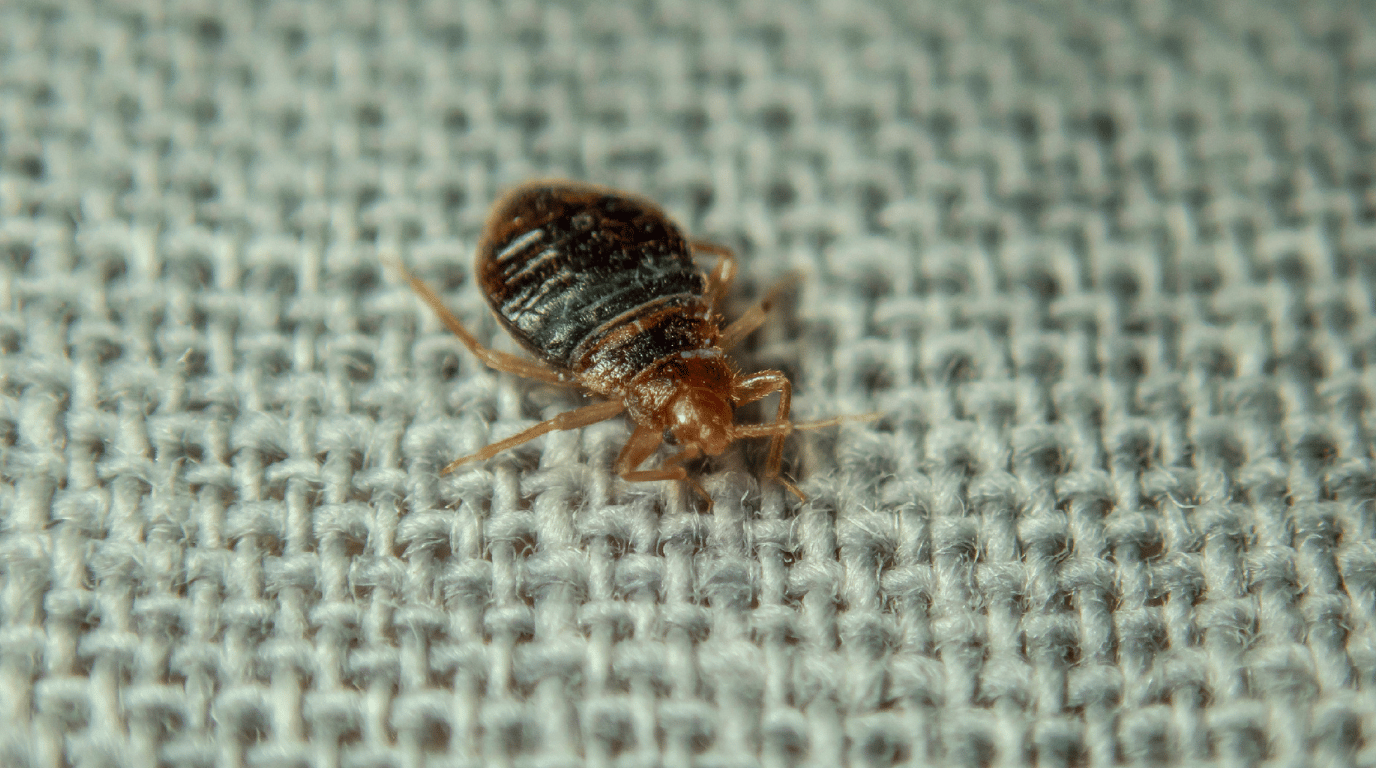
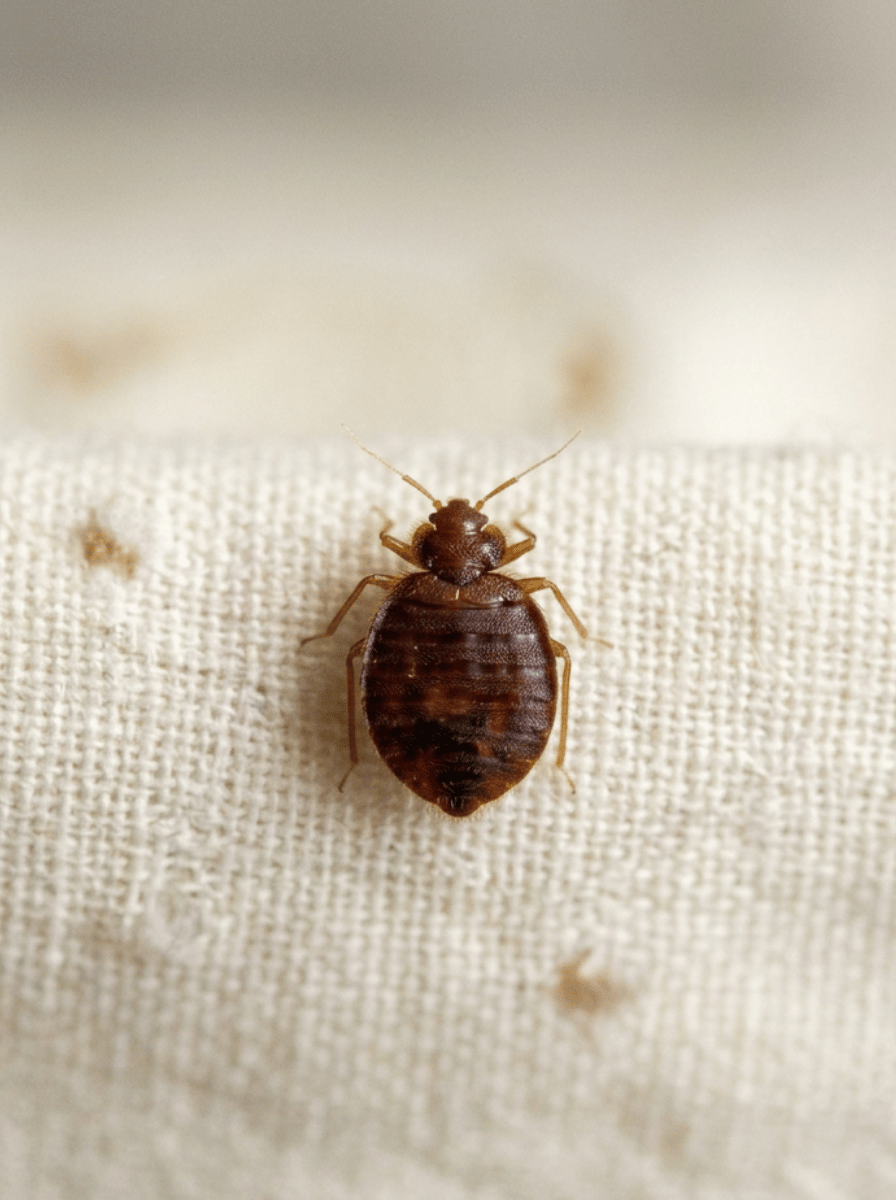
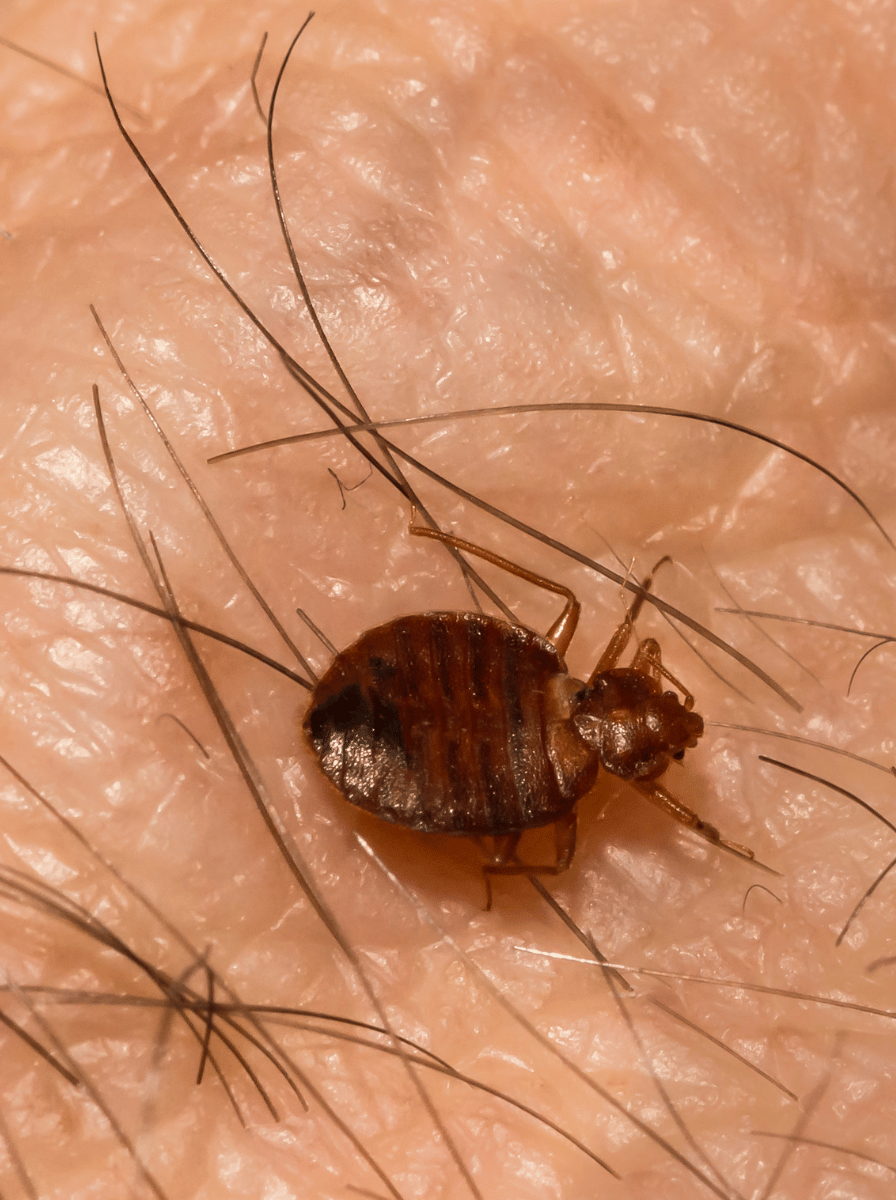
The bed bug (Cimex lectularius) is a small, discreet insect that is often mistaken for others. Here is how to recognize it.

Size

The adult is 4 to 7 mm long, about the size of an apple seed. Young bed bugs, or nymphs, are smaller and translucent; the whitish eggs measure about 1 mm and are laid in clusters.

Colour

Reddish brown, turning redder and swollen after a blood meal. Before feeding, the bed bug is paler and flatter.

Physical appearance

A flat, oval, wingless body with six legs. Its flattened shape lets it slip into mattress seams and the smallest cracks, where it hides during the day.

Behaviour

A nocturnal, blood-feeding insect: the bed bug feeds while you sleep. Its bite, nearly painless thanks to a numbing substance, is often noticed only on waking.

Signs to watch for

The signs of a bed bug infestation

Bed bugs are active at night and stay hidden: by the time the infestation is obvious, the colony is often already large. Here are the signs to watch for.

Bites in clusters or lines on exposed skin (arms, legs, neck), with itching. Some people do not react at all, which delays detection of bed bugs.

Small brownish blood spots on sheets, pillows and the mattress, left by bed bugs after a meal.

Small black droppings along the seams of the mattress and box spring, plus translucent skins shed by nymphs as they grow.

Live or dead bed bugs and tiny whitish eggs in seams, cracks and corners, especially around the bed.

Pestora team on a job in Quebec discreet service
Where to look?

Where bed bugs hide: the sleeping area and the rest of the room

The bed bug’s flat body lets it slip into tiny spaces, as close as possible to its host. To eliminate the infestation, every hiding spot has to be treated.

The hub

The sleeping area

Where they stay, right next to their meal.

  • Mattress seams, edges and tags.
  • The box spring, frame and headboard.
  • Bedding, pillows and covers.
  • Nightstands and any furniture right beside the bed.

The room

The rest of the room

Where they spread as the infestation grows.

  • Cracks in walls, baseboards and floors.
  • Furniture, sofas and armchairs.
  • Rugs, curtains and behind picture frames.
  • Electrical outlets and dark corners.
Why act fast

Why bed bugs are so hard to eliminate

Bed bugs are remarkably tenacious insects. They have built up strong resistance to most insecticides, so hardware-store products are almost always ineffective and can scatter the infestation. A bed bug can survive up to 18 months without feeding, in a dormant state, and hide in nearly inaccessible cracks. It breeds quickly, a female laying eggs continuously, and spreads through luggage, second-hand furniture and neighbouring units. According to the scientific consensus, bed bugs do not transmit disease, but their bites and mere presence cause itching, skin reactions, sleep disruption and anxiety. The earlier bed bug extermination happens, the simpler, faster and more lasting it is.

Our action plan

The Pestora method for eliminating bed bugs

Four structured steps to eliminate bed bugs at every stage, eggs included, and prevent any return. Simple surface treatment does not work.

Pestora expert Talk to an expert (514) 546-2050

01/ Inspection and detection

We confirm the presence of bed bugs and assess the scale of the infestation. We locate hiding spots in mattress seams, the box spring, furniture and cracks, with canine detection if needed.

02/ Preparation

We provide clear instructions before treatment: wash bedding and clothing in hot water then dry them, bag treated items and declutter the room to expose bed bug hiding spots.

03/ Treatment at every stage

Heat and hot-steam treatment, complemented by insecticides approved by Health Canada, targeting adult bed bugs, nymphs and eggs, in the mattress, seams, baseboards and cracks.

04/ Follow-up and guarantee

A follow-up visit 14 to 21 days after treatment, since a single visit does not always eliminate the nymphs that hatch from the eggs. The treatment is covered by a written guarantee.

Prevention

How to avoid a bed bug infestation

Bed bugs travel easily from place to place. Four habits sharply reduce the risk of bringing them home.

At the hotel, inspect the mattress seams and headboard, and keep luggage raised, away from the bed. Bed bugs use trips to slip into suitcases.

Carefully inspect any second-hand mattress, box spring or furniture before bringing it into the home: it is a common entry route for bed bugs.

Caulk cracks in walls and baseboards, and protect the mattress and box spring with certified bed-bug-proof encasements.

Early detection limits the scale of the infestation. At the slightest doubt (bites on waking, blood spots), have an exterminator confirm their presence.

Pestora team on a job in Quebec Vigilance
Also worth watching

Other insects to watch for in Quebec

Bed bugs are just one of the insect species our exterminators treat across Quebec.

FAQ

Frequently asked questions about bed bugs

Do bed bugs transmit diseases?

According to the scientific consensus, bed bugs do not transmit disease. Their bites mainly cause itching and, sometimes, skin reactions. The most common impact is psychological: sleep disruption, stress and anxiety tied to the infestation.

Yes. Cleanliness has nothing to do with it: bed bugs travel in luggage, clothing and second-hand furniture, and move from one home to another. They can infest any residence, clean or not.

Bed bug bites often appear in lines or small clusters on skin left exposed during sleep. They look like mosquito bites and itch. Since some people do not react, the absence of bites does not guarantee the absence of bed bugs.

Yes. Heat and hot-steam treatment destroys bed bugs at every stage, from eggs to adults, where insecticides alone do not reach the eggs. Our exterminators often combine heat with approved insecticides for a lasting result.

Often two. Because the eggs resist treatment, a follow-up visit 14 to 21 days later eliminates the nymphs that have hatched in the meantime. Our written guarantee covers the result.

Wash bedding and clothing in hot water, then dry them, bag treated items and declutter the room. Follow the specific instructions given by the technician: good preparation is decisive for bed bug extermination.

Notify your landlord promptly, as they are responsible for hiring an exterminator. In a building, treatment coordinated across the affected units keeps bed bugs from coming back from a neighbouring apartment.

The price depends on the scale of the infestation, the number of rooms and the type of building (residential, apartment building or commercial such as a hotel). Our quotes are free, with a fixed price given before any commitment.

Act now

Bed bug bites when you wake up ?

Thorough inspection, heat treatment targeting every stage and a written guarantee. Free, no-obligation quote, everywhere in Quebec, from Greater Montreal to the Laurentians and Gatineau.