
Wasp Exterminator in Quebec: Identification, Nests and Nest Removal
A wasp nest found under the eaves in the middle of August never sorts itself out. By late summer the colony is at its peak: several thousand individuals, constant traffic in and out, and aggression that climbs as food gets scarce.
Every sting then becomes a risk, especially near a doorway or a play area where children and pets pass by. As soon as a nest is spotted, having it destroyed by a certified wasp exterminator remains the safest way to eliminate the colony without exposing yourself to stings.
Divisions serving you across Quebec
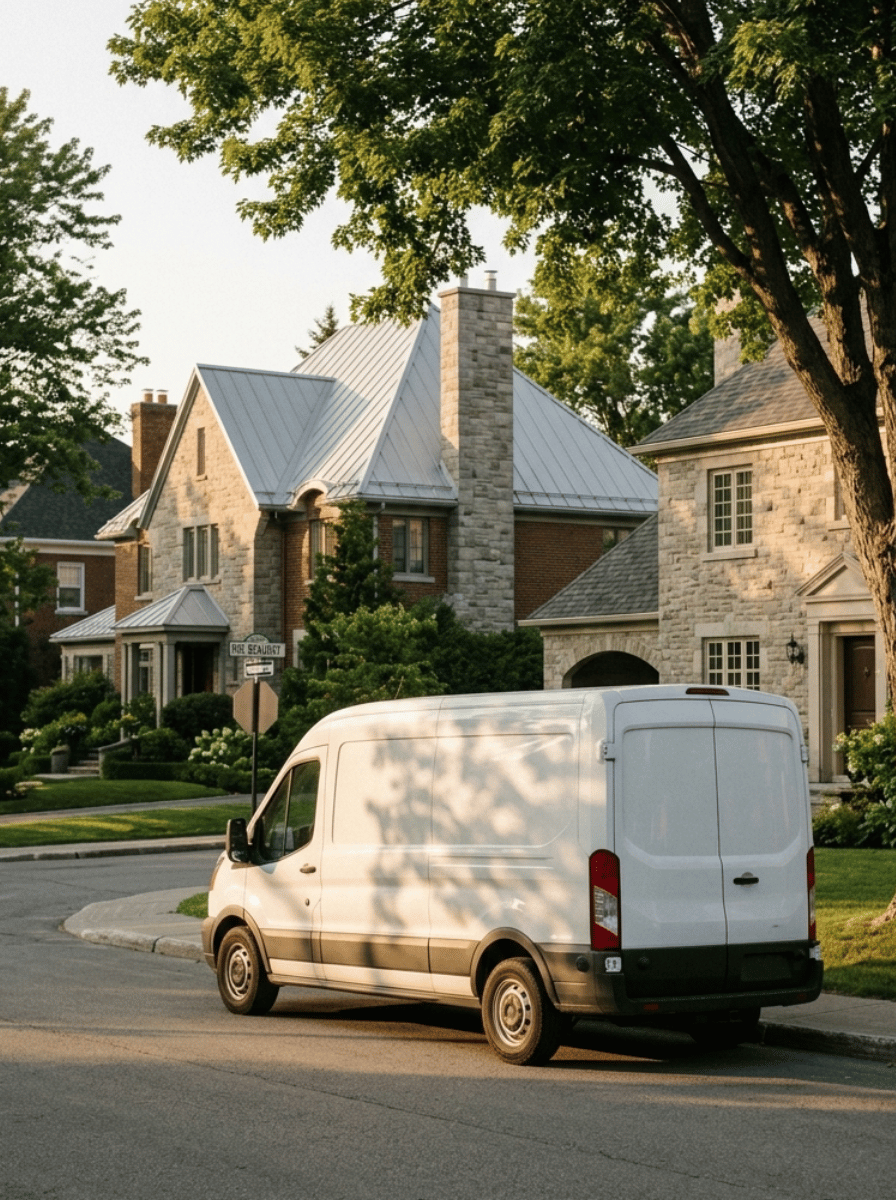
A wasp nest is a seasonal emergency: the faster the intervention, the simpler and safer it is. Find your Pestora division and reach the nearest team for priority 24/7 wasp control, often within 24 hours in peak season, in unmarked vehicles for complete discretion.
Pestora Greater Montreal
300-204, rue du Saint-SacrementMontréal, QC H2Y 1W8 (514) 546-2050 View division
Pestora West Island
3551, boulevard Saint-CharlesKirkland, QC H9H 3C4 (514) 546-2050 View division
Pestora Lanaudière
2800, boulevard des EntreprisesTerrebonne, QC J6X 4S8 (514) 546-2050 View division
Pestora Laurentians / North Shore
2175, boulevard de la TraverséeSaint-Jérôme, QC J7Y 0T2 (450) 516-8858 View division
Pestora Gatineau / Outaouais
555, boulevard Saint-JosephGatineau, QC J8Y 4A1 (819) 991-4447 View division
Pestora Trois-Rivières / Mauricie
1285, rue Notre-Dame Centre, bureau 1Trois-Rivières, QC G9A 0A0 (819) 991-4447 View division

Not sure which division? — Call us at (514) 546-2050
Wasp, hornet or ground-nesting wasp: identifying the species
Not every yellow and black insect is treated the same way. Correctly identifying the species, wasp, hornet, ground-nesting wasp or bee, guides the treatment and sets the real level of risk.
The common wasp and the German wasp
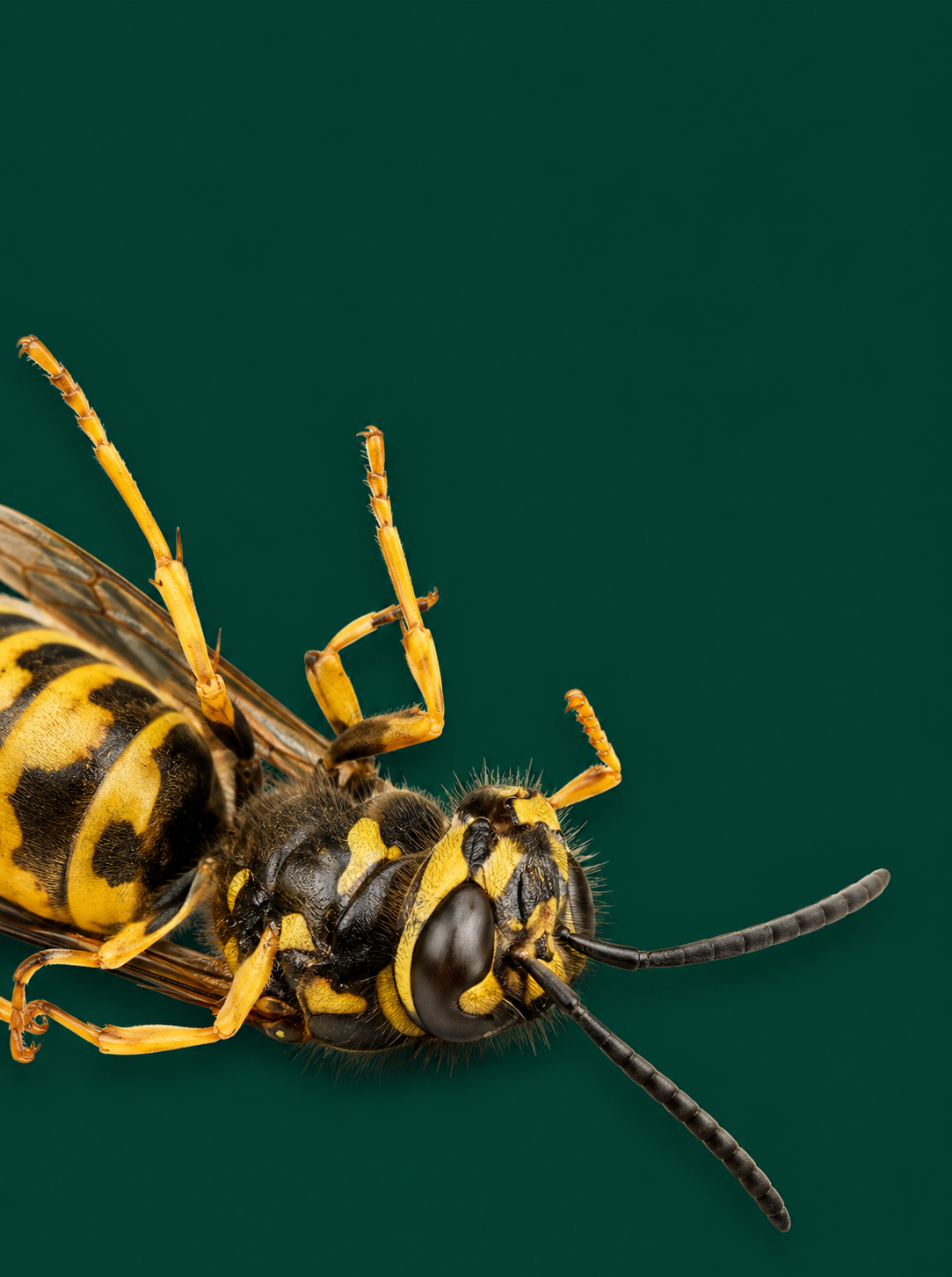
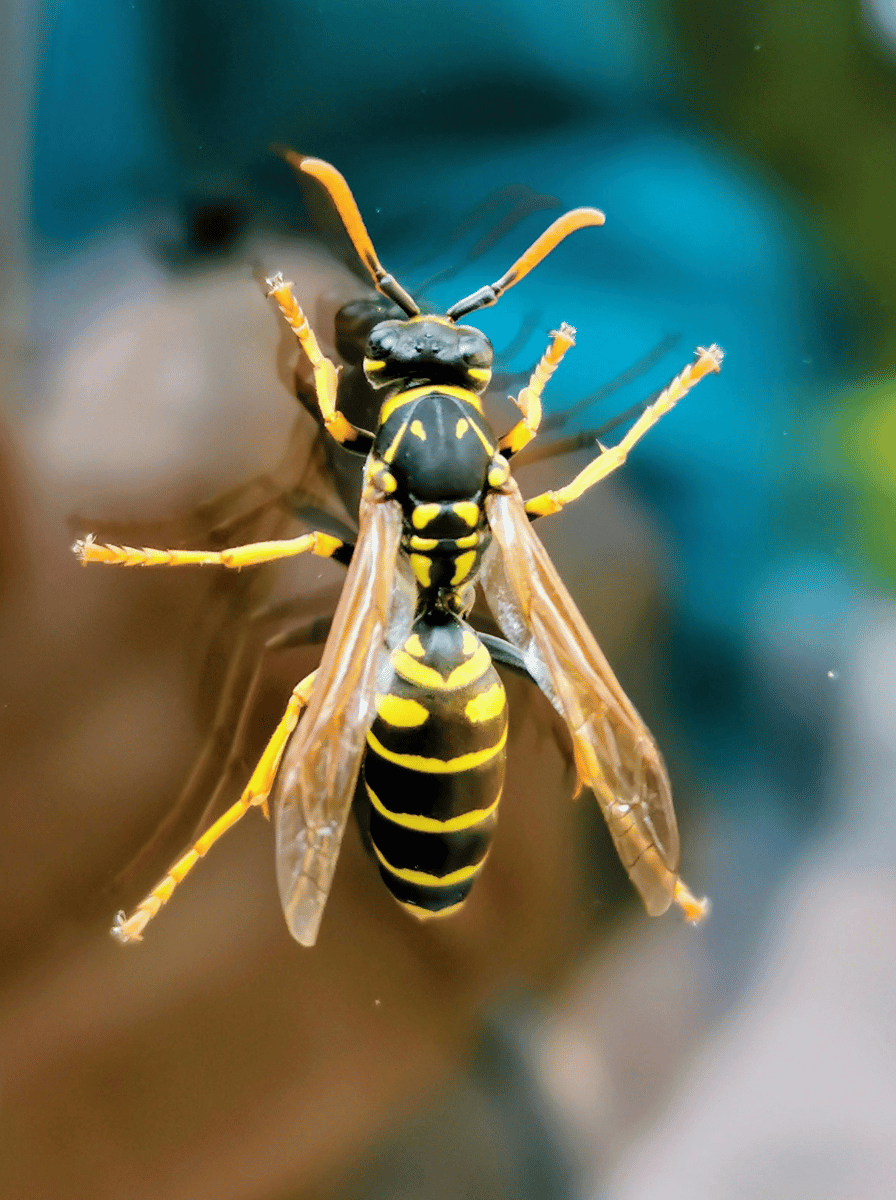
The German wasp (Vespula germanica) and the common wasp (Vespula vulgaris), known in North America as yellowjackets, are the most frequent in Quebec. Bright yellow body striped with black, narrow waist and no hair: these wasps build large paper nests and turn very aggressive in late summer.
The hornet and the paper wasp
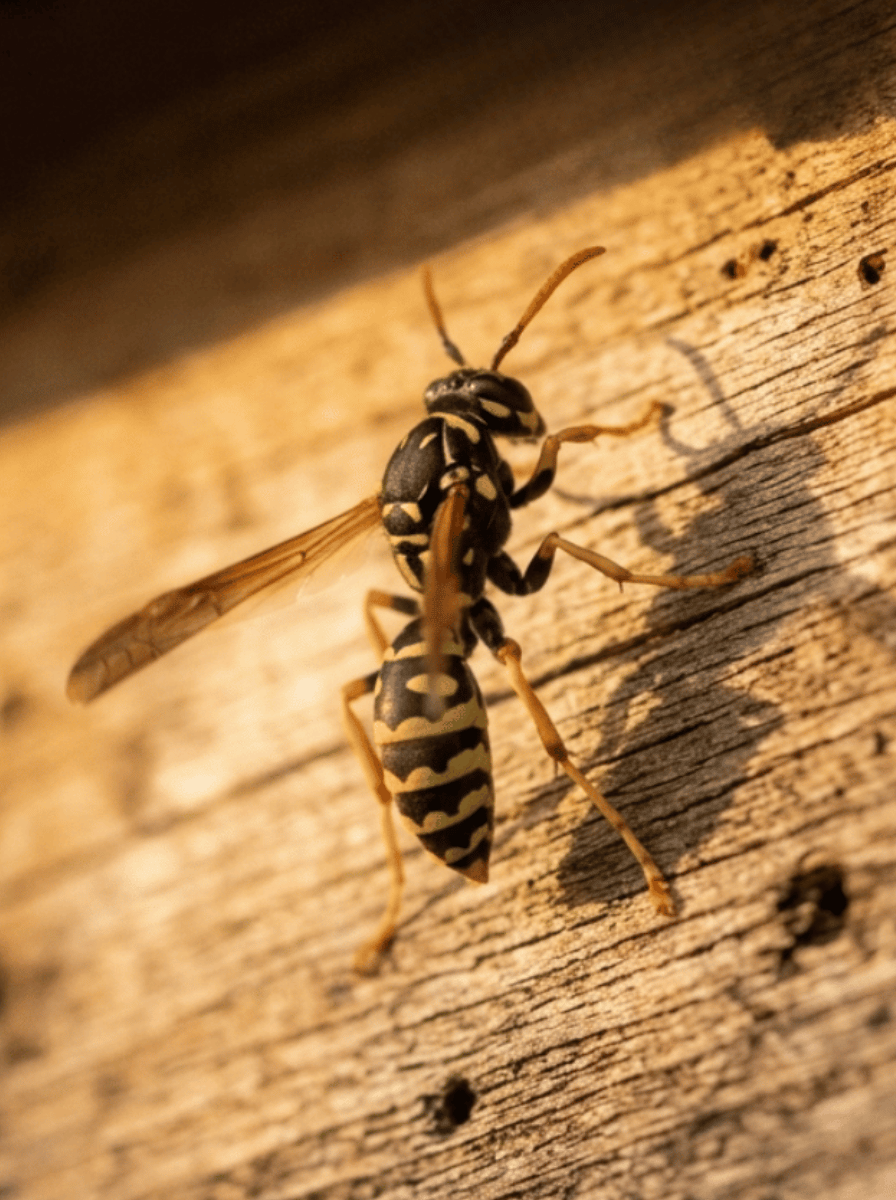
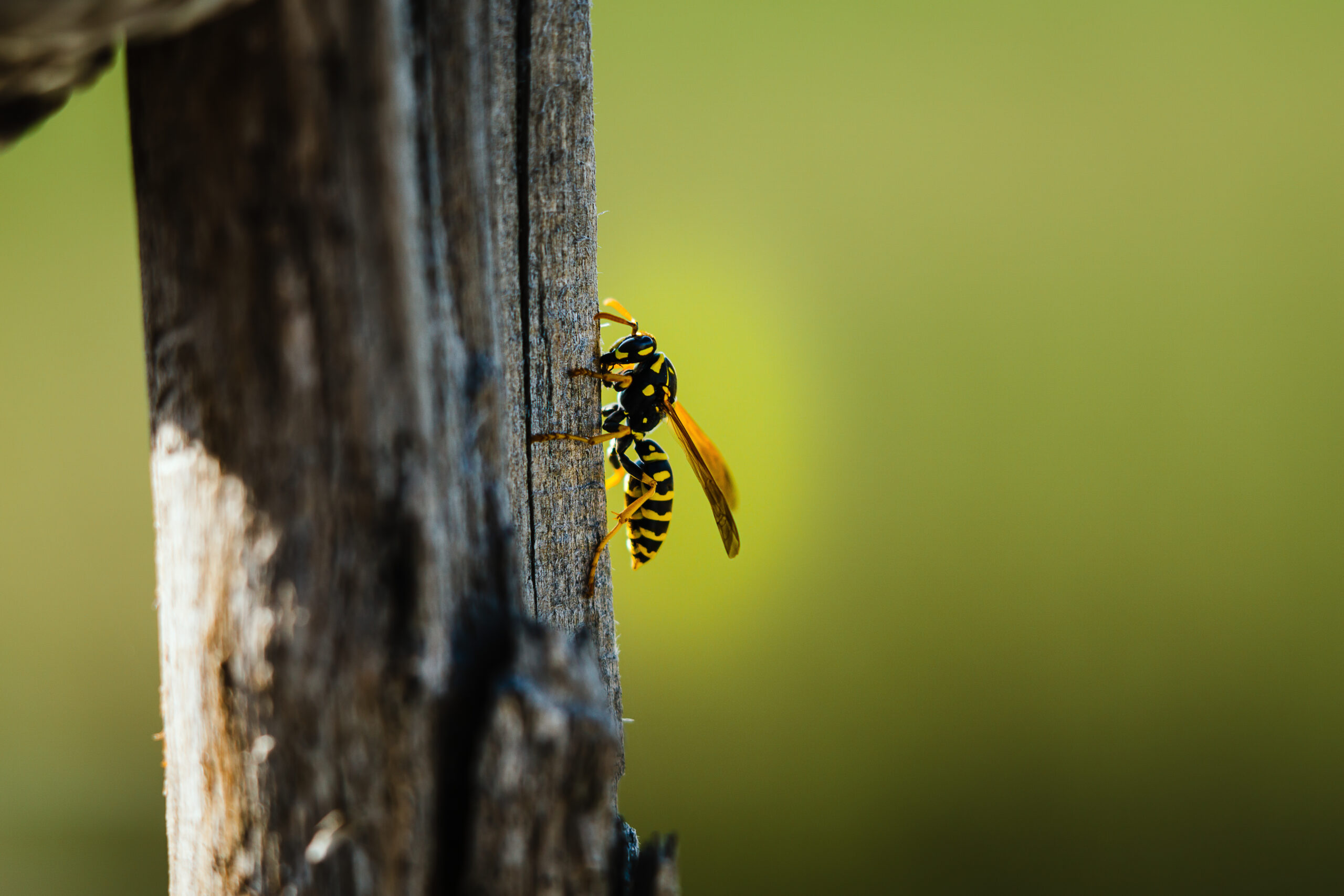
The hornet is bigger than a wasp, and so is its sting; hornet removal follows the same safe protocol our exterminators use on any wasp nest. The paper wasp, slimmer, hangs a small open umbrella-shaped nest under eaves and balconies. Wasps and hornets defend their nest vigorously as soon as anyone comes close.
The ground-nesting wasp
The ground-nesting wasp builds in the soil, in an old burrow, under a slab or a retaining wall. You spot the nest by a plain hole with a steady stream of wasps going in and out. An underground nest mowed over or stepped on by accident triggers multiple stings: it is one of the most dangerous scenarios of the summer.
Wasp or bee?
The bee is stocky, hairy and forages on flowers without aggression; the wasp is smooth, slender and drawn to sugary food and meat. The distinction matters: a useful bee gets relocated, an aggressive wasp gets treated.
The signs of an active wasp nest
A nest is not always visible, particularly when it sits inside a wall or under a deck. These signs give away a wasp colony already established close to your home.
- Constant wasp traffic toward the same point of the building.
- An audible buzzing inside a wall, a ceiling or an attic.
- Wasps going in and out through a hole, a crack or a brick.
- A grey paper nest, the size of a golf ball in spring and of a beach ball by the end of the season.
intervention discrète
Where do wasps build their nests?
Wasps look for shelter from rain and wind, usually close to a food source. Here is where wasp nests form most often on a Quebec property.
Aerial nests
- Under roof overhangs, soffits and eaves.
- In attics, roof spaces and ceiling cavities.
- Under decks, patios and balconies.
- In sheds, dense hedges and tree branches.
Underground nests
- In the ground, an old rodent burrow or a cavity under a slab.
- Under retaining walls, steps and deck footings.
- In crawl spaces and hollow walls, where wasps get in through a crack.
Unlike the bee, the wasp stings several times without losing its stinger, and a disturbed colony quickly switches to a group attack. The stings inject a venom that, in sensitive people, can set off a severe allergic reaction, even anaphylactic shock.
The danger is real for children, pets and anyone with an allergy, especially near an entrance, a pool or a deck. In late summer wasp aggression peaks, which makes removing the nest yourself a risky job.
A single queen that survived the winter can found a colony of several thousand workers in one summer.
For a restaurant, a snack bar or a commercial terrace, a wasp nest drives customers away and puts staff safety at risk; our commercial pest control service works discreetly, in unmarked vehicles, without interrupting your operations.
The Pestora method to get rid of wasps
Four structured steps to destroy the nest, eliminate the colony and prevent a new wasp nest. An improvised treatment often just scatters the wasps and makes the risk of stings worse.
01/ Inspection
Locating the nest, the access points and the wasps' flight paths, inside and out. The inspection also finds nests hidden in a wall, an attic or the ground, where the species conceals itself.
02/ Species identification
Precise identification of the species: German wasp, paper wasp, hornet or ground-nesting wasp. Each species has its own behaviour, its own type of nest and its own targeted treatment protocol.
03/ Treatment and nest removal
Application of a Health Canada approved insecticide directly into the nest, then removal or neutralization of the nest itself where possible. Our technicians, certified by the Quebec Ministry of the Environment (MELCCFP), work in full protective equipment, at the time when the colony is least active.
04/ Follow-up and guarantee
Confirmation that the whole colony is gone, since wasps still in flight can come back to the nest site. Sealing of entry points, prevention advice and a written guarantee on the wasp treatment.
A wasp nest is never handled bare-handed: without protective gear or an approved product, a do-it-yourself attempt often ends in multiple stings.
How to prevent a wasp nest
You cannot stop every wasp from exploring a property, but you can take away the shelter and the food that push them to settle in. A few simple habits clearly reduce the risk of a new nest.
Seal the access points
Caulk cracks, soffits, loose bricks and the gaps around pipes where wasps slip into walls and attics.
Cut off the food sources
Close your bins, pick up fallen fruit and keep sugary food and meat away from outdoor areas: that is what attracts wasps most through the summer season.
Inspect early in the season
In spring, a lone queen founds a small nest that is easy to treat. An inspection early in the season, before the colony grows, makes the intervention far simpler.
For a property affected year after year, an integrated pest management program combines scheduled inspections and prevention, while our residential pest control service treats the house case by case.
Vigilance
Other insects to watch for in Quebec
Wasps are only one of the many insect species treated by our exterminators across Quebec.
Carpenter ants
They tunnel into wood to build their galleries and weaken the frame of the house.
Carpenter ant exterminationBed bugs
A stubborn, draining infestation that often calls for several treatments.
Bed bug exterminationCockroaches and German cockroaches
Common in kitchens, condos and apartment buildings.
Cockroach exterminationSee every insect
Pavement ants, spiders, earwigs and more.
See every insect we treatFrequently asked questions about wasps
Are wasps dangerous?
Yes. The wasp stings several times, unlike the bee, and a disturbed colony can deliver multiple stings. In a person with an allergy, a single wasp sting can set off a severe allergic reaction, even an anaphylactic shock that needs emergency care.
How do you recognize a ground-nesting wasp nest?
The ground-nesting wasp builds in the soil: what you mostly see is a hole with wasps going in and out without a break, often in a lawn, an embankment or under a slab. That kind of underground nest is especially dangerous, because you disturb it without seeing it while mowing or walking.
Can you destroy a wasp nest yourself?
It is strongly advised against. Store-bought products rarely reach the core of the nest and mostly just drive the whole nest out at once. Without protective equipment or an approved insecticide, a do-it-yourself attempt often ends in stings, especially in late summer.
What is the difference between a wasp, a hornet and a bee?
The hornet is a large wasp, with a bulkier body and a more painful sting. The wasp is smooth and drawn to sugar and meat, while the bee is hairy, forages on flowers and rarely stings. Wasps and hornets are treated; a bee colony is relocated instead whenever possible.
At what time of year are wasps most active?
From midsummer through the fall. The colony reaches its maximum in August and September, and the wasps then become more aggressive as food gets scarce. That is the period when emergency calls for a wasp nest are most frequent.
Is the treatment safe for children and pets?
Yes. Our products are approved by Health Canada and applied by certified technicians, members of the Association québécoise de la gestion parasitaire (AQGP). Once the nest is treated and the area secured, we tell you how long to wait before letting children and pets back into the space.
How much does it cost to exterminate a wasp nest?
The price depends on where the nest sits, on how accessible it is (aerial nest, underground nest or nest inside a wall) and on the type of building. Our quotes are free, with a fixed price given before any work, with no surprises.
How long does it take to get rid of wasps?
Destroying an accessible nest is generally done in a single visit. A nest hidden in a wall or in the ground, or a reinfestation, can call for a follow-up visit; that visit is covered by the written guarantee handed to you before the treatment.
A wasp nest at your place ?
Thorough inspection, wasp nest removal, approved products and a written guarantee. Free quote, no obligation, anywhere in Quebec, from Greater Montreal to the Laurentians and the Outaouais.