
 ChatGPT
 Perplexity
 Claude
Waking up with strange bites or spotting small dark stains on your sheets quickly raises an unsettling question: how do you know if you have bed bugs? These discreet insects are masters at hiding, and an infestation can settle in for several weeks before anyone notices.
The good news: by knowing where to look and which signs to watch for, you can confirm their presence quickly. This guide explains what a bed bug looks like, which clues are unmistakable, how to inspect your bedroom, and when to call a bed bug extermination service.
What does a bed bug look like?
The bed bug (Cimex lectularius) is an oval, flattened insect, brown in colour, turning reddish-brown after a blood meal. It’s the size and colour of an apple seed, about 4 to 7 mm, so it stays visible to the naked eye. Young bed bugs, or nymphs, are smaller and almost translucent, which makes them harder to spot.
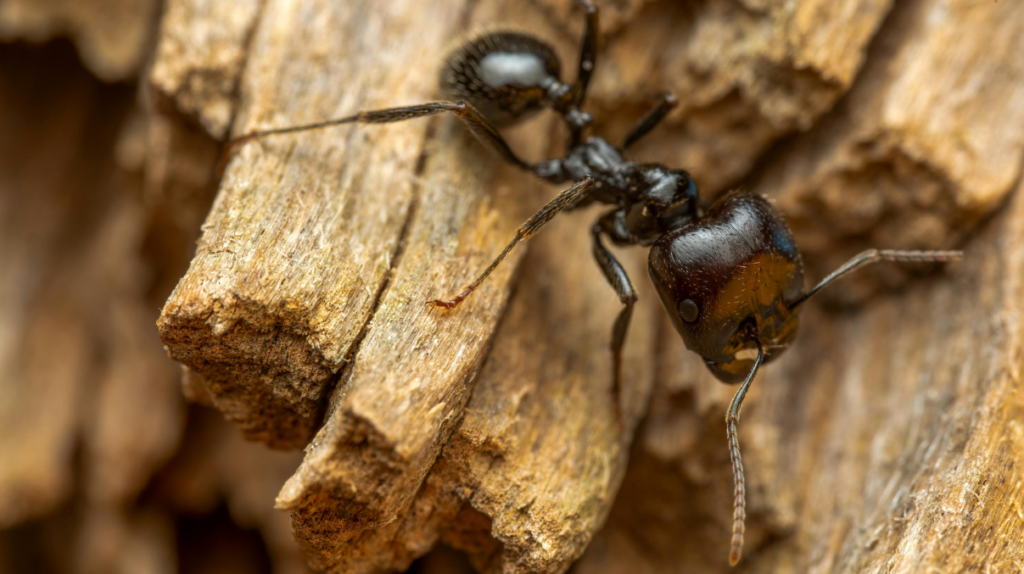
It’s a nocturnal, blood-feeding insect: it feeds on human blood, mainly at night, while its victim sleeps. Unlike more visible pests such as ants in the house, the bed bug flees light and hides in the smallest crack, which is why you’ll often notice its traces before the insect itself.
The signs that reveal a bed bug infestation
Three families of clues let you know whether you have bed bugs: bites on the skin, traces on the bedding, and the insects themselves in their hiding spots.
Bites on the skin
Bites appear mostly on areas left uncovered during sleep: arms, legs, neck, and back. They often show up in lines or small groups of red, itchy welts, and they’re easily mistaken for mosquito bites. Be careful, though: bites aren’t a reliable clue on their own. Some people don’t react at all, while others take several days to see a reaction appear. The absence of bites is therefore no guarantee that there are no bed bugs. To tell them apart from other bites, look at how they’re arranged: bed bug bites often follow a linear path, whereas a mosquito bite usually stays isolated. Reactions also tend to worsen night after night, as the infestation grows and the insects feed more often.
Stains on the bedding and mattress
The most reliable clues are on the bed itself:
- small brownish blood stains on the sheets, pillows, or duvet;
- dark fecal spots, clustered along the seams of the mattress and box spring;
- translucent shed skins left behind by the nymphs as they grow;
- tiny white eggs, stuck into the nooks.
Light-coloured bedding helps a lot to spot these traces. The further the infestation progresses, the more numerous and visible these signs become.
Where bed bugs hide
During the day, bed bugs take refuge in dark, narrow spots, as close as possible to their host:
- the mattress and box spring, especially in the seams and edges;
- the headboard and the bed frame;
- baseboards and cracks in walls and floors;
- furniture, nightstands, and couches in neighbouring rooms.
As the colony grows, it spreads from the bedroom toward the other rooms, and even toward neighbouring units. That’s why it’s worth focusing your inspection first within about a two-metre radius around the bed, where bed bugs gather first before colonizing the rest of the room.
How to inspect your bedroom step by step
To know whether you have bed bugs, a methodical inspection beats a quick glance:
- Grab a flashlight and, ideally, put on light-coloured bedding.
- Remove the sheets and examine the seams, edges, and tags of the mattress.
- Lift the mattress and inspect the box spring as well as the bed frame.
- Check the headboard, baseboards, cracks, and the backs of nearby furniture.
- Note any trace: dark spots, blood stains, shed skins, or live insects.
If doubt lingers, passive evidence exists: interceptor traps under the bed legs, monitors and, above all, canine detection performed by a professional, remarkably effective at confirming an early infestation.
Not knowing whether you have bed bugs creates a lot of anxiety: a professional inspection removes the doubt and avoids costly, pointless treatments.
Confirm a bed bug presence
A professional inspection gives you a clear, fast answer.
Myth versus reality: cleanliness has nothing to do with it
Contrary to a stubborn belief, bed bugs don’t only infest poorly kept homes. They can invade any home, clean or not. They travel in luggage, clothing, and used furniture, from hotels, rental units, or public transit. A cluttered home simply offers more hiding spots, which makes treatment harder.
Another important nuance: according to the scientific consensus, bed bugs don’t transmit diseases. Their bites, however, cause itching and skin reactions, and their mere presence often causes stress, anxiety, and sleepless nights. In commercial settings, such as the hotel industry, an infestation also threatens reputation, which is where a discreet, fast commercial exterminator comes in.
What to do if you have bed bugs
Once their presence is confirmed, a few rules keep the situation from getting worse. Don’t try to solve the problem alone with store-bought products: they rarely reach the eggs, and the infestation comes back stronger. Don’t toss your mattress or furniture out on the curb, since you’d risk spreading the bed bugs. And above all, act fast.
The right move is to call an insect exterminator certified by Quebec’s environment ministry. In a rental unit, notify your landlord, who is responsible for hiring an exterminator; in Montreal, the 311 service can point you in the right direction. Professionals have methods beyond the reach of the general public: heat treatment, steam, approved insecticides, and rigorous follow-up. Our residential exterminator works with total discretion, in unmarked vehicles, a detail that matters a great deal given the embarrassment associated with bed bugs.
A certified bed bug exterminator
More than 25 certified technicians respond 24/7, in complete discretion, with a written guarantee and a fixed price before the work begins.
Frequently asked questions about bed bugs
Are bed bug bites dangerous?
According to the current scientific consensus, bed bugs don’t transmit diseases. Their bites mainly cause itching and, sometimes, more pronounced skin reactions or an infection from scratching. The most common impact is psychological: stress, anxiety, and sleep problems. See a healthcare professional if a reaction worries you.
Can you see bed bugs with the naked eye?
Yes. An adult bed bug measures 4 to 7 mm, the size of an apple seed, and stays visible to the naked eye. Nymphs and eggs are much smaller and harder to spot. Because the insect is nocturnal, though, you’ll more often see its traces than the animal itself.
Do bed bugs mean my home is dirty?
No, that’s a stubborn myth. Bed bugs infest spotless homes as much as any other, because they travel with luggage, clothing, and furniture. Cleanliness neither attracts nor repels them; only fast detection limits the scale of an infestation.
What to do before the exterminator arrives?
A few steps make the treatment easier:
- wash the bedding and clothes in very hot water, then in the dryer;
- put items away and place laundry in sealed bags;
- avoid moving objects to other rooms, so you don’t spread the bed bugs;
- follow your technician’s specific instructions.